Pinner HA5 flat and house rubbish collection explained
Posted on 15/10/2026
If you live in Pinner HA5, rubbish removal can feel simple on the surface and oddly complicated once you start moving bins, bags, furniture, or renovation waste around a flat or house. Different homes create different waste patterns. A ground-floor house with a driveway is not the same as a second-floor flat with narrow stairs, limited storage, and a neighbour who is always halfway out the door. That is exactly why Pinner HA5 flat and house rubbish collection explained matters: it helps you choose the right approach, avoid delays, and get waste out safely without turning the hallway into a mini skip zone.
This guide breaks down how local rubbish collection works in practice, what to expect from a professional service, where people often go wrong, and how to decide whether a one-off collection, a larger clear-out, or a specialist service makes more sense. If you want the short version, the best collection is the one that fits your property, your schedule, and the type of waste you actually have. Sounds obvious, but let's face it, that's the bit people often miss.
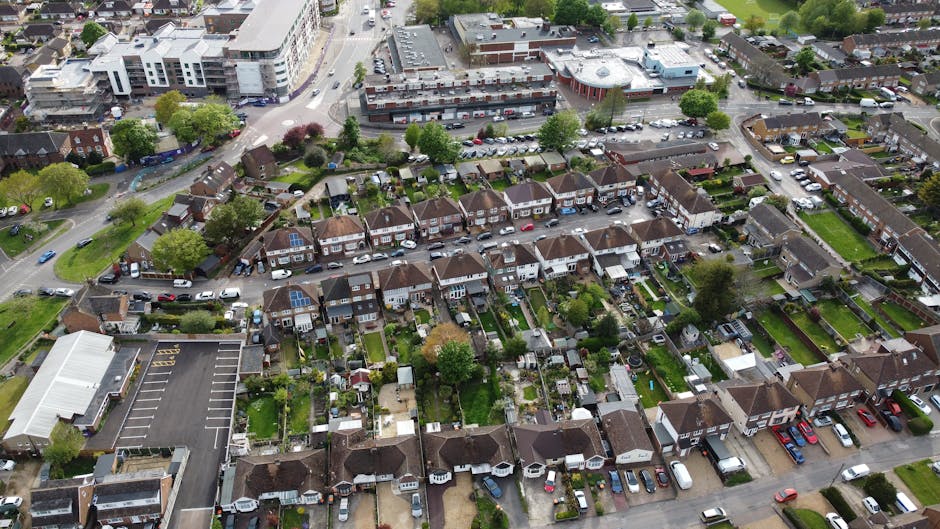
Why Pinner HA5 flat and house rubbish collection explained Matters
Waste builds up quietly. A few boxes after a move, a broken wardrobe, some garden cuttings, an old mattress, and suddenly the place feels cluttered, smaller, and a bit stressful. In Pinner HA5, where homes range from compact flats to larger family houses, the collection method needs to suit the property and the waste volume. What works for a suburban house may be a complete pain in a flat with shared access and no lift.
It also matters because rubbish is not just a visual issue. Piled-up waste can attract pests, block fire escapes, create trip hazards, and make everyday life feel harder than it should. If you have ever stepped over three bin bags in a hallway at 7:30 on a damp Tuesday morning, you know the feeling. Not ideal.
There is another side too: good rubbish collection supports recycling, keeps reusable items out of landfill where possible, and makes it easier to handle bulky or awkward waste properly. That is why many residents look beyond simple bin day and compare services like waste collection in Harrow, especially when the job is bigger than standard household bins can manage.
For anyone living in or around Pinner, the practical question is not whether rubbish needs collecting. It is how to do it efficiently, safely, and without paying for a solution that is bigger than necessary.
How Pinner HA5 flat and house rubbish collection explained Works
At a basic level, rubbish collection means arranging for unwanted items to be removed from your property and taken to a suitable disposal or recycling facility. But in real life, there are a few moving parts.
First, the type of waste matters. General household rubbish is different from bulky furniture, garden waste, builders' rubble, or office clear-out material. Second, access matters. A flat may need careful timing, fewer heavy items carried through communal areas, and more planning around parking or entry codes. A house may have easier access, but a larger volume of waste can still create a bigger logistical job.
Most services start with an estimate based on volume, item type, and access. If the collection is being done from a flat, you may be asked about stairs, lifts, and whether items need to come from inside the property or outside at kerbside. For a house, the focus may be on driveway space, rear garden access, loft or garage clearance, and how long the loading will take.
That is where a service overview can be helpful. If you want to understand the wider setup before booking, the page on services overview gives a broader picture of the kind of collections and clearances available.
In practical terms, a collection usually follows this pattern:
- You describe the rubbish and where it is located.
- The service estimates the job size, access needs, and likely handling requirements.
- You agree a time slot or date.
- The team arrives, loads the waste, and removes it.
- Items are sorted for reuse, recycling, or disposal where appropriate.
That sounds straightforward, and often it is. But the difference between a smooth collection and a frustrating one often comes down to preparation. A bit of advance sorting goes a long way. So does being honest about what is actually there. Nobody likes discovering a last-minute pile of old tiles hidden behind the shed, truth be told.
Key Benefits and Practical Advantages
Choosing the right rubbish collection approach in Pinner HA5 gives you more than just a tidy room. It can make the whole household run better for a while afterwards.
- Less disruption: You do not need to wait for multiple council bin rounds or drag heavy items in and out over several days.
- Better access in flats: A planned collection avoids awkward corridor blockages and reduces the risk of disturbing neighbours.
- Safer handling: Heavy, sharp, or awkward items are easier to move when handled properly.
- Cleaner results: A proper clear-out removes the odd bits people leave behind, not just the obvious bags.
- More recycling potential: Sorting waste properly can support reuse and recycling rather than sending everything to general disposal.
Another practical advantage is momentum. Once the rubbish goes, people usually keep going. A loft gets sorted. The spare room stops becoming the "room of doom." A house feels breathable again. It is a small thing, but also not small at all.
If the waste includes furniture, you may want to look at furniture disposal in Harrow for a more targeted approach. If the rubbish is mainly from a garden tidy-up, then garden waste removal in Harrow is a better fit. Matching the service to the waste saves time and usually saves money too.
Who This Is For and When It Makes Sense
This kind of collection makes sense for a wide range of Pinner HA5 residents. You do not need a full property clearance for every job. Sometimes you just need the right help at the right moment.
Typical situations include:
- tenants moving out of a flat and needing to clear leftover items quickly
- homeowners clearing attic, garage, or shed clutter
- families replacing furniture and needing old pieces taken away
- landlords preparing a property between tenancies
- people downsizing and dealing with several rooms at once
- small businesses or home offices getting rid of surplus equipment
For larger jobs, a full property clearance may be more appropriate. That is especially true after bereavement, a long period of storage, or a major move. In those cases, a dedicated house clearance service can be a better fit than a simple one-off load.
If you are a flat owner or tenant, timing is often the key question. Can items be removed during building hours? Are there lift restrictions? Is there limited parking outside? If so, the collection plan needs to fit around those realities. Houses are often more flexible, but even then, access through narrow side passages or rear gardens can change the job more than people expect.
And if you are in the middle of a move in the area, you may find the wider local reading useful too, especially the rubbish collection tips for Harrow-on-the-Hill residents, which covers some practical local considerations that often apply across nearby neighbourhoods.
Step-by-Step Guidance
If you want a smoother experience, it helps to treat rubbish collection like a small project rather than a rushed chore. Here is a practical way to do it.
- List what needs removing. Be specific. "General clutter" is not enough if there is a sofa, mattress, and two broken chest freezers hiding in the mix.
- Separate waste by type. Put furniture, bagged rubbish, garden waste, and builders' waste in different groups where possible.
- Check access. Measure stair width if needed, note parking issues, and think about whether lifting through the property is realistic.
- Decide what stays. This sounds obvious, but it prevents the classic last-minute "Actually, maybe keep that chair?" moment.
- Ask for a clear quote. Make sure the estimate reflects what is being removed, not just the first visible pile.
- Prepare the collection area. Move small personal items out of the way and keep paths clear.
- Confirm any special handling. Tell the team about anything sharp, heavy, dusty, or unusually awkward.
- After collection, check the space. A quick visual sweep catches forgotten cables, screws, or small bits that can cause clutter to creep back in.
Here is the bit people often overlook: photos help. A few honest pictures of the waste, the hallway, or the garden access can avoid confusion later. It is not glamorous, but it works.
Expert Tips for Better Results
There are a few habits that make rubbish collection much easier in real homes and flats.
Keep mixed waste to a minimum. A single load made up of furniture, plasterboard, mattresses, and garden waste is harder to process than a more tidy separation. If you can split categories before booking, do it.
Stack with common sense. Do not create unstable piles just to make a room look clear. A leaning pile of boxes can become a nuisance very quickly, especially in a tight flat.
Think about the route out. In a house, the back gate may be easier than the front door. In a flat, the lift may be too small for certain items. Planning the route is boring, yes, but useful.
Book before the pressure peaks. The day before a move is not the best time to sort three bedrooms, a kitchen, and a shed. Start earlier if you can. Even one spare afternoon makes a difference.
Choose collection over overfilling bins. Overstuffed household bins create stress for you and everyone else in the block. That is especially relevant in apartment buildings, where communal areas should stay clear.
If you care about environmental handling, check the provider's approach to reuse and recycling. A service with a clear sustainability focus is often a safer bet for mixed household waste. The page on recycling and sustainability is useful if you want to understand that side more deeply.
A little attention upfront saves a lot of awkward back-and-forth later. It really does.

Common Mistakes to Avoid
Most collection problems are preventable. The same few mistakes come up again and again.
- Underestimating volume: A "small load" can turn into a van-full once the cupboard doors open.
- Not mentioning access issues: Stairs, no lift, narrow hallways, and parking restrictions all change the job.
- Mixing prohibited or specialist items: Some waste types need separate handling, so do not assume everything can go in one go.
- Leaving sorting until collection day: That is how delays happen.
- Ignoring neighbours or shared spaces: Flat living means being thoughtful about noise, timing, and communal cleanliness.
- Assuming every service is the same: They are not. Waste handling, loading support, and recycling practices can differ quite a lot.
One more thing: do not choose a collection just because it is the cheapest-looking option. If the provider cannot explain what happens to the waste, or if the quote is vague, that is a small red flag. Not always a disaster, but enough to pause and ask questions.
Tools, Resources and Recommendations
You do not need a lot of equipment to prepare for a rubbish collection, but a few simple tools can make life easier.
- Heavy-duty bags: Useful for broken items, soft waste, and mixed clear-out debris.
- Labels or masking tape: Handy for marking items to keep, donate, or remove.
- Gloves: A sensible basic if you are sorting dusty loft items or garden debris.
- Tape measure: Particularly useful for bulky furniture in flats.
- Phone camera: Great for photos of access points and waste piles before booking.
For people comparing service levels, the most useful resources are usually practical ones rather than flashy ones. A clear pricing page, a service overview, and a transparent trust page matter more than a polished slogan. If you want to compare scope and expectations, pricing and quotes is a sensible place to start.
You may also find these pages useful if your collection sits alongside a bigger move or life change: the Harrow home purchase guide, the real estate guide for Harrow buyers, and the local insight in diving into Harrow and its neighbourhood secrets. They are not rubbish guides, strictly speaking, but they do help place the practical side of moving home in context.
And if you want to understand who is behind the service, the about us page is worth a look. People often skip this step, then wonder why the service feels vague. Small clue: the clearer the company explains itself, the easier your decision usually is.
Law, Compliance, Standards, or Best Practice
Waste handling in the UK is not something to treat casually. You do not need to memorise legislation to book a collection, but it helps to know the basic best-practice expectations.
First, waste should be handled responsibly and taken only to appropriate facilities. That means separating recyclable material where practical, avoiding illegal dumping, and making sure the waste carrier is operating in a legitimate way. If a provider is unclear about what happens after collection, ask. Clear answers are a good sign.
Second, safety matters. Heavy lifting, sharp edges, broken glass, and awkward stair carries all present real risks. A professional team should work in a way that reduces those risks rather than creating them. If your collection involves bulky items or limited access, it is reasonable to expect sensible handling and insurance-minded behaviour.
Third, if you live in a flat or shared building, you should keep common areas clean and unobstructed. That is basic courtesy, but it is also how you avoid complaints and accidental damage. Honestly, one careless move in a narrow communal hall can cause more stress than the rubbish itself.
Some homeowners also like to review terms before booking. That is fair enough. If you want the legal and policy side of the business in plain language, the pages for insurance and safety, terms and conditions, and privacy policy can be useful for reassurance.
For ethical and operational standards, transparency is a strong sign of professionalism. The same applies to customer payments and data handling, so payment and security may also matter if you are comparing providers carefully.
Options, Methods, or Comparison Table
Not every job needs the same solution. Here is a simple comparison to help you think it through.
| Option | Best for | Strengths | Limitations |
|---|---|---|---|
| Standard bin disposal | Small amounts of everyday rubbish | No booking needed, familiar routine | Not suitable for bulky items or larger clear-outs |
| One-off rubbish collection | Mixed household waste, a few bulky items, quick clear-ups | Fast, convenient, good for flats and houses | May need access details and accurate item descriptions |
| House clearance | Full-room or whole-property clear-outs | Best for larger jobs, major moves, downsizing | More involved than a simple collection |
| Furniture disposal | Sofas, wardrobes, beds, tables | Focused handling for large pieces | Not ideal if the job also includes lots of mixed waste |
| Builders waste disposal | Renovation debris and construction leftovers | More suitable for heavy or messy trade waste | Requires careful sorting and clear description |
The right option depends on what you have, how much of it there is, and how easy it is to remove from the property. A flat with one broken sofa and a few bags needs a different setup from a three-bedroom house with loft clutter and garden waste. No surprise there, really.
If you are dealing with renovation debris, the specialist builders waste disposal in Harrow page is the best match. For clutter-heavy moves or inherited properties, house clearance is often the cleaner route.
Case Study or Real-World Example
Imagine a second-floor flat in Pinner HA5 after a tenancy ends. The tenant has moved out, but there is a worn armchair, two broken bedside tables, several bin bags of mixed household rubbish, and a stack of cardboard from flat-pack furniture. The building has a narrow communal staircase, limited parking, and no lift.
In that case, a careful rubbish collection plan is far better than trying to squeeze everything into a normal bin cycle. The resident or landlord would usually benefit from:
- a clear description of the items
- photos of the stairwell and parking space
- a booking time that avoids busy building hours
- a team prepared for carrying items safely through shared access
Now compare that with a semi-detached house in Pinner with a garage full of unwanted items after a family declutter. The access is easier, but the volume may be higher. In that example, the main issue is likely sorting and loading time rather than tight communal spaces. Different problem, different solution.
That is why the phrase flat and house rubbish collection sounds simple but actually covers two distinct scenarios. One is about access and neighbour awareness. The other is often about volume and variety. Sometimes both, if you are unlucky. But usually one stands out.
Practical Checklist
Use this quick checklist before booking a collection in Pinner HA5.
- Have I listed everything that needs removing?
- Do I know whether the waste is general, bulky, garden, or builders' material?
- Have I checked access, stairs, parking, and lift availability?
- Are any items too large, too heavy, or too fragile to move casually?
- Have I separated items I want to keep from items to go?
- Do I have photos ready in case the quote needs clarification?
- Have I thought about neighbours, shared corridors, or quiet hours?
- Is there a better specialist service for part of the load?
- Have I reviewed any relevant service details, pricing, or terms?
- Do I feel clear on what happens next after collection?
Expert summary: The best rubbish collection is not the one that sounds biggest. It is the one that matches the property, the access, and the exact waste you need gone. That simple alignment prevents most problems before they begin.
Conclusion
Pinner HA5 flat and house rubbish collection explained comes down to one practical idea: waste removal should fit the way you live. A flat needs careful access planning and respectful handling of shared spaces. A house often needs faster clearing of larger volumes and more mixed material. Either way, the best results come from being specific, prepared, and realistic about what needs taking away.
Once you understand the difference between a standard bin routine, a one-off collection, and a full clearance, the decision gets much easier. You stop guessing. You stop overcomplicating it. And the clutter starts to feel manageable again, which is a very good feeling on a grey afternoon when the hallway finally looks like a hallway again.
If you are comparing options right now, keep your focus on transparency, access, waste type, and what happens to the items after collection. That is the part that really matters.
Get a free quote today and see how much you can save.
And if you are still weighing things up, a quick look at the wider waste collection service can help you choose the most sensible next step without any drama. Sometimes that is all you need. A clean start, nothing fancy, just done properly.

 Tipper Van - Waste Disposal and Waste Collection Prices in Harrow, HA1
 Luton Van - Waste Disposal and Waste Collection Prices in Harrow, HA1


