What to know about hazardous waste and Harrow collection limits
Posted on 08/07/2026
If you are sorting a loft, clearing out a garage, or dealing with leftover materials from a DIY job, hazardous waste can catch you out fast. One minute you have a few old tins and a battery drawer; the next, you are wondering what can be collected, what must be separated, and what Harrow collection limits actually mean in practice. This guide explains what to know about hazardous waste and Harrow collection limits in clear English, with practical steps you can use before booking a pickup or setting anything aside for disposal.
Truth be told, this topic is less about memorising rules and more about avoiding the awkward, costly stuff: refused items, unsafe handling, contamination, and delays. If you want a broader look at local waste support and service options, you can also explore the site's services overview and the recycling and sustainability page for a sense of how different waste streams are handled.

Why hazardous waste and Harrow collection limits matter
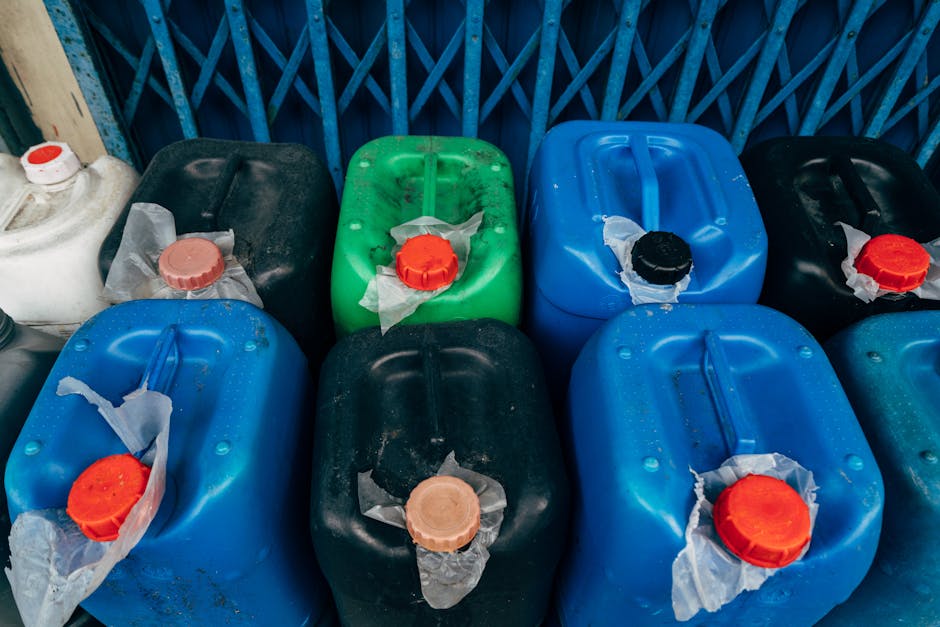
Hazardous waste is not just "rubbish with a warning label". It includes items or materials that can harm people, property, or the environment if they are mixed with general waste or handled badly. In a busy borough like Harrow, the problem usually shows up in ordinary household situations: a cracked paint tin in the shed, a fluorescent tube from an office refit, a broken battery pack, a half-empty container of strong cleaner, or old electrical equipment from a house clearance.
Collection limits matter because not every service can take every item, and not every load can be collected in one go. Limits exist for safety, vehicle capacity, loading time, contamination control, and operational planning. That sounds dry, but in real life it means your collection can be delayed if you overfill bins, mix prohibited materials, or fail to separate sharp, liquid, or chemically reactive items. And nobody wants a last-minute "sorry, we can't take that" conversation on the pavement at 8:30 on a drizzly Tuesday.
For local residents, the practical point is simple: knowing the limits ahead of time saves time, money, and stress. It also helps you avoid unsafe shortcuts like leaving chemicals in unlabeled containers or bundling batteries into a bag with household waste. If you are managing a property move, a renovation, or a workspace clean-out, this becomes even more important. The wrong item in the wrong pile can slow everything down.
Expert summary: hazardous waste is best treated as a separate planning task, not a last-minute add-on. The more you sort it before collection, the smoother the job usually goes.
How hazardous waste and Harrow collection limits work
At a practical level, collection limits are about what can be accepted, how much can be accepted, and how it must be presented. The exact rules can vary by service type, item category, access conditions, and the condition of the waste. So rather than assuming "a collection is a collection", it helps to think in layers.
1. Item type comes first
Some items are straightforward: furniture, general household rubbish, and many non-hazardous materials can usually be loaded as part of a standard collection. Hazardous waste sits in a different category because it can involve fire risk, toxic residue, sharp edges, leaks, fumes, or contamination. Common examples include:
- paint, solvents, thinners, and adhesives
- batteries and battery packs
- fluorescent tubes and some lamps
- aerosols
- pesticides and strong cleaning chemicals
- oils, fuels, and chemical containers
- electrical items with damaged components
- medical or clinical waste, which needs extra care
Some of those can be accepted under specialist arrangements; some cannot. The key is not to guess. Hazardous waste is one of those areas where "it'll probably be fine" is not a great strategy. Not ideal at all.
2. Presentation matters just as much
Even where items are accepted, they may need to be sealed, boxed, bagged, labelled, or kept apart from other waste. A half-open tin with a leaking lid, for example, is much harder to manage than a secure, clearly identified container. Likewise, loose batteries in a mixed bag are a problem waiting to happen.
3. Volume and load size affect acceptance
Harrow collection limits are often influenced by how much waste you have overall. A small amount of hazardous material may be manageable as part of a larger pickup, while a bigger quantity may need a special arrangement. This is especially true if the waste is heavy, awkward to move, or needs more than one person to handle safely.
4. Access and time limits still apply
Even the right waste can become difficult if access is tight. Narrow driveways, awkward parking, or long carries from a flat to the vehicle can affect what can be collected and how quickly. If that sounds familiar, the article on common driveway access problems for Harrow rubbish jobs is worth a look. It is one of those everyday issues people only notice once they are standing there with bags in their hands.
5. Different waste streams are treated differently
Builder's waste, garden waste, household clearances, office clearances, and furniture disposal can all involve different handling rules. A renovation might generate plasterboard, paint, old sealants, and timber offcuts in the same week. The service options on the site, including builders waste disposal in Harrow, can help you separate what belongs where before the pile turns into a muddle.
Key benefits and practical advantages
Getting hazardous waste and collection limits right is not just about compliance. It gives you a cleaner, calmer process from the outset. That sounds obvious, but in practice it makes a real difference.
- Fewer refusals: sorting items correctly reduces the chance of a collection being declined on the day.
- Safer handling: separating sharps, chemicals, and batteries lowers the risk of injury or leaks.
- Less contamination: recyclable and non-hazardous items stay usable instead of being spoiled by the wrong material.
- Better planning: once you know the limits, you can book the right service first time.
- Lower stress: no frantic repacking outside the house while the clock is ticking.
There is also a small but useful financial advantage. When a collection team can assess the load accurately, you are less likely to pay for unnecessary waiting time, failed collection attempts, or rebooking. If pricing is on your mind, the site's pricing and quotes page is a sensible place to understand how jobs are typically assessed before anything is booked.
And from a day-to-day living point of view, there is peace of mind. You know the cupboard under the sink is not a hidden hazard, the batteries are not rattling around in a random bag, and the garage is finally one step closer to being usable again. Small win, but a real one.
Who this is for and when it makes sense
This topic matters to more people than you might think. Hazardous waste is not only an industrial concern. It turns up in homes, flats, shops, offices, building projects, and gardens.
You will probably need this guidance if you are:
- clearing out a home before a move
- emptying a loft, shed, basement, or garage
- managing a renovation or light building project
- disposing of old office electricals or printer consumables
- sorting chemicals after a property has been vacant
- handling mixed rubbish after a tenancy change
- dealing with bulky items that contain batteries or fluids
For house moves and property changes, this often overlaps with broader planning. People looking at a new place sometimes also need to understand how storage, access, and clearance will work once they are in. That is why local reading like the home purchase guide for Harrow can be surprisingly helpful, even if you were not expecting waste advice to show up alongside moving advice.
It also makes sense for landlords, letting agents, and small businesses. The tricky bit is that waste piles up in dribs and drabs. One broken appliance here, one can of old paint there, then a sudden clear-out. That is how a manageable job becomes a mixed-load headache.
Step-by-step guidance
If you want the cleanest path through this, use a simple method. Nothing fancy. Just a bit of discipline before the collection day.
- Separate hazardous items from general rubbish. Do this first. Do not bury batteries, chemicals, or sharp items in mixed bags.
- Check containers and labels. Keep original packaging where possible. If a label is missing, make a careful note of what the item is.
- Keep liquids sealed upright. Avoid leaks. Put containers in a stable box or tray if needed.
- Group similar items together. Batteries with batteries, aerosols with aerosols, paints with paints. It keeps handling clearer and safer.
- Count bulky items separately. If your load includes furniture, appliances, or building materials, note them apart from the hazardous pieces.
- Check access before collection. Measure gates, note stairs, and think about where the vehicle can stop. This matters more than people expect.
- Confirm any collection limits in advance. Ask what can and cannot be taken, and whether there are limits on number, weight, or container type.
- Present everything clearly on the day. Keep items visible and accessible. A tidy staging area saves everybody time.
As a small real-world example, imagine a family clearing a kitchen after a refit. They have a few tins of half-used paint, some old cleaning bottles, an extractor fan, and a load of cardboard packaging. If they mix everything into one stack, the collection becomes messy fast. If they sort it into separate, sensible groups, the process is calmer and usually quicker. Simple, really.
And if the job is part of a wider household clearance, this may connect neatly with a dedicated service like house clearance in Harrow, especially when there is a mix of furniture, old household goods, and a few awkward items that need extra care.
Expert tips for better results
Here are the little things that make a big difference. They are not glamorous, but they are the difference between a smooth pickup and an annoying one.
- Do not decant chemicals unless you absolutely have to. Original containers are safer and easier to identify.
- Keep incompatible materials apart. For example, do not stack chemical containers next to items that may leak or react.
- Use sturdy boxes for small hazardous items. Loose small items are easy to miss and harder to count.
- Leave room for inspection. If items are hidden under unrelated waste, the team may need to reshuffle everything.
- Plan for weather. A wet morning can make bags slippery and labels harder to read, which is mildly annoying but very real.
- Expect mixed jobs to take longer. Hazardous waste plus bulky rubbish is never quite a five-minute job.
One practical insight that gets overlooked: keep a short written list of what you have before collection day. You do not need a spreadsheet unless you enjoy that sort of thing. A scrap of paper, a phone note, even a labelled bag cluster. It helps you answer questions quickly and prevents that awkward "wait, was there a battery in that box?" moment.
If you are dealing with access constraints, a useful companion read is rubbish removal options for narrow driveways on Kenton Road. Not every Harrow property has generous parking, and that is just life in parts of London.
Common mistakes to avoid
The same errors come up again and again. Mostly they are understandable, but they still cause trouble.
- Mixing hazardous and general waste: This is the big one. It can contaminate an otherwise simple load.
- Leaving liquids unsealed: Even a small leak can create a mess in transit or on the pavement.
- Assuming all electricals are the same: Some items are straightforward; others have batteries, fluids, or damaged components that change how they must be handled.
- Forgetting about hidden hazards: Old tins in a shed, forgotten aerosols, and spare batteries often get missed.
- Booking too late: If you wait until the rubbish is already piled up, you have less time to sort it properly.
- Underestimating access problems: Tight stairwells, parking restrictions, and narrow paths can all affect what can be collected.
There is also the classic mistake of thinking "it's only a small amount, so it won't matter". Usually it does matter. Not because the item is huge, but because hazardous waste is about risk, not volume alone. A tiny leaking bottle can be more troublesome than a big bag of cardboard. Funny how that works.
If you are handling waste from a project rather than a home clear-out, it can help to review the site's builders waste disposal Harrow page alongside your hazardous items checklist. Mixed renovation loads often need more thought than people expect.
Tools, resources and recommendations
You do not need specialist kit for every job, but a few basic tools make life easier. Most are already in a cupboard somewhere.
- Strong boxes or tubs: useful for bottles, small containers, and loose items
- Permanent marker: for labelling unmarked boxes or bag contents
- Sturdy gloves: good for handling dusty, sharp, or awkward materials
- Torches or phone light: handy for lofts, cupboards, and sheds where old waste hides
- Basic measuring tape: useful if access or item size might be an issue
- Phone notes app: ideal for quick waste lists and photo references
For a broader understanding of service choices, the waste collection Harrow page is useful because it gives context on how different types of rubbish are usually managed. If you are clearing furniture alongside other items, the furniture disposal in Harrow page is also worth using as a planning reference.
People often forget the value of simple photo-taking. A quick photo of the items before collection can help if you need to describe them later. No drama, no overthinking. Just practical. And if you are unsure about the safest route, the site's insurance and safety information gives a sensible reminder that safe handling should never be treated as an afterthought.
Law, compliance, standards and best practice
Because hazardous waste can affect health and the environment, you should approach it with care and common sense. Exact legal duties can depend on the type of waste, the source of the waste, and who is handling it, so it is wise to be cautious rather than casual. In the UK, businesses in particular usually have stricter responsibilities than households, especially if waste is produced during trade, maintenance, or refurbishment activity.
Best practice, even for domestic users, usually looks like this:
- keep hazardous items separate from general waste
- store them in suitable, secure containers
- avoid mixing unknown substances
- do not leave items where children or pets can reach them
- give clear information about what needs collecting
- follow the service's acceptance rules rather than assuming
For businesses, keeping good records is also part of sensible waste management. That does not need to be complicated, but it should be consistent. If a job generates chemical containers, lamps, batteries, or damaged electronics, note what was removed and how it was handled. That sort of recordkeeping is dull in the moment and very useful later. Dull, yes. Useful, definitely.
If you want a sense of the wider company standards around trust and operations, the pages on about us, terms and conditions, privacy policy, and accessibility statement can be read as part of that wider trust picture. They are not waste rules, of course, but they do help readers see how the service is framed.
Options, methods and comparison table
Not every problem needs the same solution. The right method depends on what you have, how much of it there is, and how quickly you need it gone.
| Method | Best for | Pros | Watch-outs |
|---|---|---|---|
| General waste collection | Non-hazardous household rubbish | Simple, convenient, often fast | Not suitable for chemicals, batteries, or risky items |
| Specialist hazardous item handling | Paint, aerosols, batteries, solvents, and similar items | Safer segregation and more appropriate handling | May require stricter presentation and advance notice |
| Mixed load collection | Clear-outs with both standard and special items | Useful when a home or office has several waste types at once | Needs better sorting to avoid refusal or delay |
| Project-based clearance | Renovations, office changes, or bulky jobs | Efficient for larger, structured removals | Access, timing, and item lists matter more |
As a rule of thumb, if you are unsure whether something is hazardous, treat it as such until it has been identified. That is a safer starting point than assuming it can go in with ordinary rubbish. It may feel slightly overcautious, but that is better than a leak in the boot of a van.
Case study or real-world example
A small office in Harrow was clearing out after a move. The team had desk chairs, old paper files, printer cartridges, damaged extension leads, a few batteries from emergency lights, and several boxes of office odds and ends. At first glance, it looked like one big clearance job. In practice, it was three separate waste decisions.
The non-hazardous furniture and paperwork could be handled through a standard office clearance arrangement. The printer consumables needed separate consideration. The batteries and damaged electrical components had to be isolated and identified clearly before collection. Once the team separated the load, the job became easier to price and safer to complete. The office manager later admitted that the worst part was not the waste itself, but the little bits of uncertainty. Which box had the batteries? Were the cartridges empty? Did that cable belong to anything important? Classic office chaos, really.
That same pattern shows up in homes. A garage clear-out often begins with "just old junk", then reveals paint tins, an aerosol can, half a shelf of random chargers, and an old drill battery. Once the hazardous pieces are split out early, everything else becomes much less stressful. You can breathe again. Which is nice.
If the job sits within a broader neighbourhood move or lifestyle change, local reading such as life in Harrow local recommendations can be a handy companion to the practical side of clearance. It is not about hazardous waste directly, but it helps people settle into the area and organise the rest of life around the move.
Practical checklist
Use this before collection day. It is deliberately plain and practical.
- Have I separated hazardous waste from general rubbish?
- Are all liquids sealed and upright?
- Are batteries, lamps, aerosols, and chemicals grouped clearly?
- Have I checked for hidden items in cupboards, sheds, and drawers?
- Do I know which items may need specialist handling?
- Have I noted any access issues such as stairs, gates, or narrow driveways?
- Have I confirmed any collection limits or item restrictions in advance?
- Are sharp items safely packaged?
- Have I kept children and pets away from the staging area?
- Do I have a simple written list of what is being collected?
Quick takeaway: if you can sort the waste cleanly in the room where it was found, you have already made the collection easier. That first sort is often the difference between a smooth day and a messy one.
Get a free quote today and see how much you can save.
Conclusion
What to know about hazardous waste and Harrow collection limits comes down to a few steady habits: identify risky items early, keep them separate, respect the collection rules, and plan for access before anyone turns up at the door. Once you do that, the whole process becomes far more manageable. Less guesswork. Less delay. Less standing around wondering why the shed still looks like a small disaster zone.
There is no prize for leaving this until the last minute. But there is real value in getting it right the first time. You protect your home, your family, your neighbours, and the people handling the collection. And that, to be fair, is a pretty good outcome for something that starts with a few old tins and batteries.
Take it one clear step at a time, and the job gets lighter. It really does.

 Tipper Van - Waste Disposal and Waste Collection Prices in Harrow, HA1
 Luton Van - Waste Disposal and Waste Collection Prices in Harrow, HA1


