Common problems with driveway access for Harrow rubbish jobs
Posted on 15/06/2026

If you have ever tried to arrange a rubbish collection only to realise the driveway is awkward, tight, sloped, or half-blocked, you already know how quickly a simple job can turn into a small headache. Common problems with driveway access for Harrow rubbish jobs are more than just an inconvenience; they can affect timing, safety, collection methods, and even what can be removed on the day. In Harrow, where homes range from terraced streets with narrow frontage to larger plots with shared access, these issues come up more often than people expect.
This guide breaks down the real access problems crews run into, why they matter, and what you can do before the team arrives. We will also cover practical planning tips, a comparison of access options, and a realistic checklist you can use the next time you need a waste clearance. Truth be told, a few minutes of preparation can save a lot of back-and-forth later.
Why Common problems with driveway access for Harrow rubbish jobs matters
Access is one of those things people only think about when it becomes a problem. And then, suddenly, it is the only thing that matters. If a van cannot get close enough, if a crew cannot safely carry items, or if the driveway surface is too soft or too steep, the collection can take longer or need a different setup entirely.
For Harrow rubbish jobs, driveway access matters because it affects three things at once: efficiency, safety, and cost control. A clear drive means fewer trips, less lifting distance, and less risk of damage to walls, gates, paving, or vehicles. Poor access can mean the opposite. In practical terms, that may lead to delays, extra labour, or a need to use kerbside loading instead.
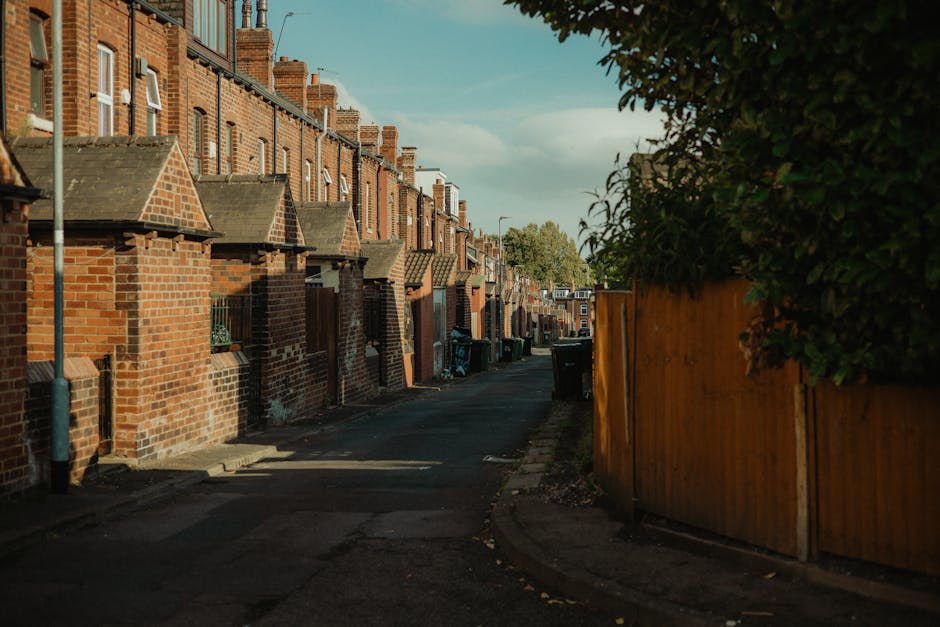
It also matters because Harrow properties are not all built the same. You will find older homes with narrow entrances, modern builds with compact parking spaces, and properties where the driveway is shared with neighbours. In some parts of the borough, the access point is perfectly usable but the turning space is not. That little detail can make a big difference.
Expert summary: the better the access, the simpler the job. The more a crew has to improvise, the more planning becomes important. That is usually where people either save time or lose it.
How Common problems with driveway access for Harrow rubbish jobs works
Most rubbish collection teams start with a basic access check. They want to know whether they can park close enough, carry items safely, and load waste without blocking traffic or damaging property. In many cases, a quick photo or a short description from the customer is enough to flag likely issues.
Here is how access is typically judged in practice:
- Width: Is the driveway wide enough for the vehicle or for staff to move large items?
- Height clearance: Are there low branches, canopies, cables, or gates in the way?
- Turning space: Can a vehicle enter, reverse, and leave without a tricky manoeuvre?
- Surface condition: Is the ground stable enough for loading trolleys or heavier items?
- Slope: Is the driveway steep enough to make wheeling awkward or risky?
- Obstructions: Are there bins, cars, bikes, planters, or building materials in the way?
Sometimes the access issue is simple. A parked car blocks the route. Sometimes it is more frustrating: the drive is technically long enough, but the bend at the front makes turning impossible. That sort of thing catches people out all the time.
A good team will usually plan around the access rather than forcing the job. That can mean asking you to move vehicles beforehand, splitting the load into smaller runs, or switching to a carry-out collection from a safer point. If you are already organising a bigger clearance, it helps to read the detail on the wider service approach and the practical scope of house clearance support before the day arrives.
Key benefits and practical advantages
Good driveway access is not just about convenience. It changes the whole shape of the job.
- Faster completion: Crews can load waste more quickly when they are not working around obstacles.
- Less lifting distance: Shorter carry distances reduce strain and make handling bulky items easier.
- Lower risk of damage: Narrow spaces and awkward angles are where walls, fences, and door frames get clipped.
- Cleaner handover: When access is planned properly, the property is left tidier and the job feels far less disruptive.
- More accurate quoting: A team that understands the access upfront can price the job more realistically.
There is another benefit people sometimes miss: peace of mind. If you know the collection plan makes sense, you spend less time worrying about whether the crew will be able to get in and out. That sounds small, but on collection day it is a relief.
For customers comparing options, it is worth looking at general rubbish collection in Harrow alongside more specific services such as furniture disposal or garden waste removal, because different waste types can change how much space the team needs.
Who this is for and when it makes sense
This topic is relevant to far more people than you might think. If any of the situations below sound familiar, you will benefit from planning access early.
- Homeowners with a narrow or shared driveway
- Landlords arranging end-of-tenancy clearances
- People clearing garages, sheds, lofts, or front gardens
- Residents with steep drives or uneven surfaces
- Offices or commercial sites with tight loading areas
- Anyone booking a large clearance after building work or a move
It is especially useful if you live near busier streets or in a denser part of Harrow where parking can be awkward. The same goes for older homes, where the original access layout was never designed with modern waste removal in mind. A modest pile of rubbish in the front drive can be fine; a bulky sofa, several cupboards, and a bagged builders waste pile is another story entirely.
If you are in the middle of a home move or a purchase, it can also help to understand the property layout in advance. That is one reason readers often find the home purchase guide for Harrow and the real estate guide for Harrow buyers useful when they are thinking beyond the viewing stage.
Step-by-step guidance
If you want the collection to go smoothly, do not leave access to chance. Use this simple process.
- Walk the route first. Start at the kerb and move through the full path to the waste. Look for narrow gates, low branches, steps, or tight turns.
- Measure the obvious pinch points. A tape measure is your friend here. Check gate width, side passages, and turning space, even if it feels a bit fussy.
- Move vehicles out of the way. If the driveway is shared, agree in advance who is parking where. Sounds basic, but this is where a lot of jobs stall.
- Clear loose items. Bikes, plant pots, bins, hosepipes, toys, and recycling tubs can all get in the way.
- Take a few photos. A couple of clear images help the collection team understand the real layout, not just the ideal one.
- Tell the team about special conditions. Mention slopes, slippery paving, low entrances, or restricted turning before the day.
- Plan a fallback position. If the vehicle cannot enter, agree on the nearest safe loading point instead.
A small example: if your driveway slopes sharply down towards the house, heavy items can be awkward to bring up, especially after rain when the surface is slick. In that case, the team may prefer to park on the street and load from a flatter section. Practical, not glamorous. But it works.
Expert tips for better results
After a while, the same patterns keep showing up. These tips are the ones that tend to make the biggest difference.
- Leave more room than you think you need. A drive that looks "fine" for a car may still be too tight for carrying a wardrobe or fridge safely.
- Keep the path dry if possible. Wet leaves, mud, and moss can make a simple carry much more hazardous.
- Open gates fully before arrival. It saves time and avoids awkward shuffling while someone is holding a heavy item.
- Group items near the exit point. If you can stage waste closer to the front, the job usually runs more smoothly.
- Think about reverse access early. Some drives work in but not out. That is a very common little trap.
- Ask what vehicle size is likely to be used. A smaller vehicle may suit a tight access job better than a larger one.
One practical tip that saves embarrassment: if you are unsure whether the drive is wide enough, do not "eyeball it" and hope for the best. That rarely ends well. Better to be honest upfront and let the team plan around the real space available.
For more context on how waste is handled responsibly, you may also want to look at recycling and sustainability and the company's insurance and safety information.
Common mistakes to avoid
Most driveway access problems are avoidable. The issue is that people often only realise this after the crew has arrived. Here are the mistakes that come up most often.
- Not mentioning a narrow entrance. If the access is tight, say so. Do not assume it is obvious.
- Leaving a car in the driveway. This is probably the number one avoidable delay.
- Underestimating bulky items. A dismantled wardrobe is still bulky. Same with beds, sofas, or large white goods.
- Forgetting side access. People often focus on the front drive and ignore the passage down the side.
- Ignoring surface issues. Broken paving, loose gravel, and soft ground can slow everything down.
- Assuming all crews handle access the same way. They do not. Different jobs need different setups.
There is also a subtle one: overconfidence. "It should be fine" is often where the trouble starts. To be fair, everyone says that at some point.
If your access is genuinely tight, it can help to read location-specific advice like rubbish removal options for narrow driveways or the practical notes in Harrow on the Hill rubbish collection tips for residents. Those kinds of local insights are often more useful than broad generic advice.
Tools, resources and recommendations
You do not need specialist equipment to prepare for most rubbish jobs. A few simple tools make a big difference, though.
- Tape measure: Useful for gates, openings, and the narrowest parts of a drive.
- Phone camera: Photos help explain access better than long messages ever do.
- Gloves and sturdy shoes: Handy if you are moving items yourself before the crew arrives.
- Bin bags or straps: Useful for grouping loose waste so it can be moved faster.
- Basic torch or headlamp: Helpful for early-morning or winter jobs when the drive is dim.
Useful planning resources are often the service pages that explain the full scope of what can be removed. For example, builders waste disposal is often a different kind of access challenge from a standard household clearance because the material is heavier, messier, and usually less forgiving. Office clearances can also need extra routing around fire exits, loading bays, or shared entrances, which is why office clearance planning deserves its own thought process.
And yes, it sounds a bit dull to measure gates and check corners. But dull is good when the alternative is a blocked driveway and a wasted journey.
Law, compliance, standards, or best practice
For rubbish collection, the most important thing is not to block access, create a hazard, or leave waste in a way that causes avoidable risk. Exact legal duties will depend on the type of property, the waste involved, and the arrangement you have made, so it is wise to keep things simple and practical rather than speculative.
In normal UK practice, good access planning supports safer manual handling, cleaner loading, and less chance of accidental damage. That matters whether the job is domestic or commercial. If the route is tight, the surface is slippery, or the items are awkward, the safest approach may be to change the loading position rather than push through and hope for the best.
For customers, best practice usually means:
- providing accurate access details before the job
- removing vehicles and obstructions in advance
- keeping routes clear and well lit
- flagging any unusual surfaces or restrictions
- allowing enough time for careful loading
It is also sensible to read the company's general terms and conditions and privacy policy when booking online or sharing details, especially if you are arranging collections on behalf of a landlord, tenant, or business. Small thing, but worth doing.
Options, methods, or comparison table
When driveway access is difficult, there are usually a few ways to handle the job. The best option depends on what is being removed, how far it needs to be carried, and how much room you actually have.
| Access method | Best for | Pros | Trade-offs |
|---|---|---|---|
| Vehicle enters the driveway | Wide, level, unobstructed drives | Fast loading, short carry distance, tidy process | Not suitable for narrow, steep, or fragile surfaces |
| Kerbside loading | Drives with poor turning space or low clearance | Less risk of property damage, flexible for awkward layouts | Longer carry distance, may need more labour |
| Staged loading from front garden or path | Homes with partial access and a clear frontage | Can reduce time spent inside the property boundary | Needs clear communication and a safe staging area |
| Split-load removal | Bulky or mixed waste on a tight site | Good for difficult access, reduces clutter at once | May take longer than a single-pass collection |
There is no universal winner here. A neat, flat drive might suit direct loading. A long, narrow one may be better served by kerbside work. The key is choosing the method that fits the actual site rather than the one that looks best on paper.
Case study or real-world example
A fairly typical Harrow scenario goes like this: a homeowner books a mixed rubbish collection after a loft clear-out and garden tidy-up. On paper, the property has a driveway, so everyone assumes access will be fine. On arrival, the crew finds two parked cars, a low brick wall on one side, and a gate that opens only part way because a wheelie bin has been left behind it. Not disastrous, just messy.
Instead of trying to force the van through, the team switches to a safer plan. One person moves the lighter bags to a staging point near the front, while heavier items stay inside until there is a clear route. The vehicle loads from a safer position, and the job still gets done that morning. Slight delay, yes. A proper headache, no.
The lesson is simple: even when access is not perfect, a clear fallback plan can keep the job moving. That is why good communication before the appointment matters so much. A couple of phone photos would have solved the issue before anyone arrived, which is a bit irritating, honestly, but very common.
If you are ever unsure how your property layout compares with more straightforward collections, browsing local guidance like Harrow Weald Estate rubbish collection rules and tips can help you spot the kind of layout or access issue that often gets missed.
Practical checklist
Use this checklist before your rubbish job is booked in. It is simple, but it catches a lot.
- Driveway and gate measured, including the narrowest point
- Cars moved out of the access route
- Bins, bikes, and loose items cleared away
- Route from street to waste checked for steps, slopes, and hazards
- Photos taken of the entrance and any pinch points
- Bulky items identified in advance
- Any shared access arrangements confirmed with neighbours
- Collection team told about low branches, tight corners, or uneven surfaces
- Fallback loading point agreed if the vehicle cannot enter
- Surface conditions checked, especially if it has been raining
If you can tick off most of those items, you are already ahead of the game. Not perfect, maybe. But far better than guessing.
Conclusion
Common problems with driveway access for Harrow rubbish jobs usually come down to the same handful of issues: narrow entrances, parked cars, poor turning space, awkward slopes, and unclear expectations. None of that is unusual, and none of it has to derail your collection if you plan early and speak honestly about the layout.
The smartest approach is simple: check the route, clear the space, share photos, and choose a loading method that fits the property. That way, the day feels calm rather than chaotic. And in a busy place like Harrow, calm is worth a lot.
Get a free quote today and see how much you can save.
When access is handled properly, the whole job just feels lighter. Less stress, less mess, less faffing about. That is usually the difference between a frustrating clearance and one that quietly does exactly what you needed.
 Tipper Van - Waste Disposal and Waste Collection Prices in Harrow, HA1
 Luton Van - Waste Disposal and Waste Collection Prices in Harrow, HA1


